
BAR · BUILD
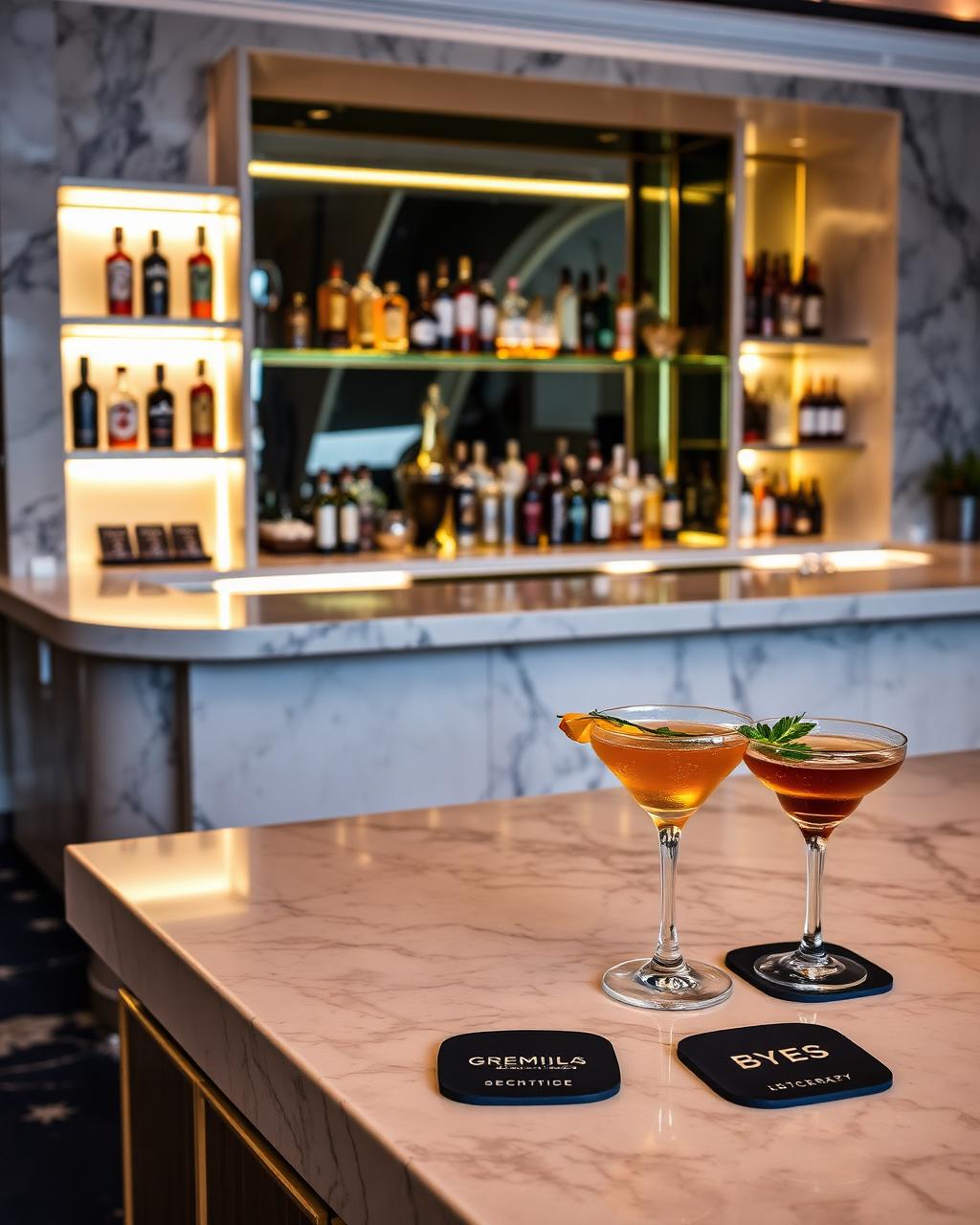
A bar that supports the beverage
Front-of-house presence, back-of-house function. Ice, glassware and bartender movement designed in — not added later.
Tables, bars, displays, backdrops, planters and service structures — built to make food, beverage and flow work in the room.
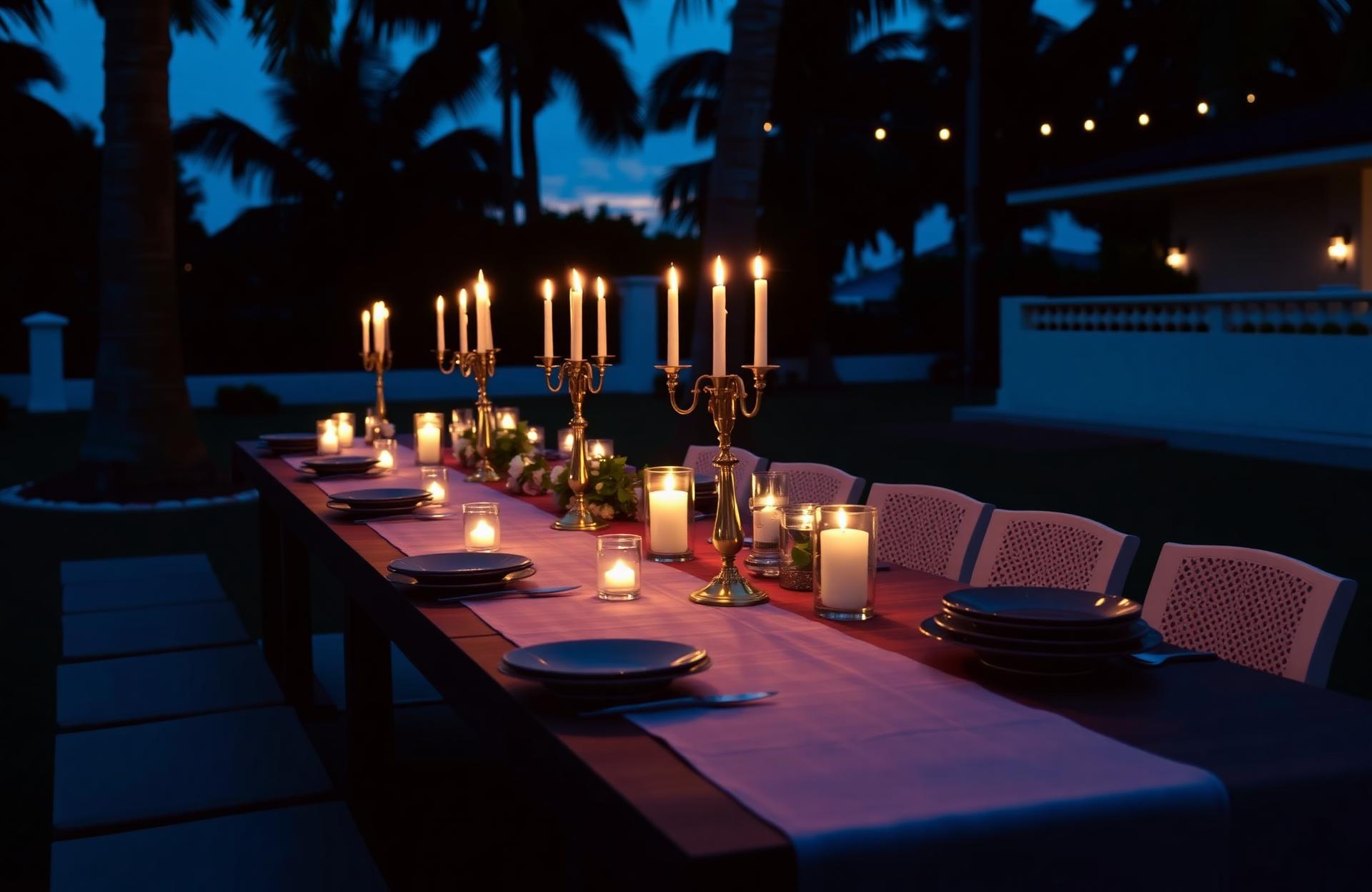
Environments / Spaces is the physical hospitality system of KH. It runs bars, stations, tables, service structures, displays, planters, backdrops, support equipment, surfaces, access and guest movement as one operation — so the room can hold food, beverage and flow without strain.
Every surface has a job. Beauty must serve. The room must work. A bar is not just a bar — it is an environment that supports beverage. A station is not just a table — it is where food, service and guest movement meet.
Spaces sells better publicly. Environments organizes better internally. Either way, this pillar is what gives hospitality a physical body — something to photograph and something to lean on.
Nothing is placed for decoration alone. Each table, bar, planter and frame is doing service work — even when it's also doing visual work.
If a piece looks beautiful but blocks the line, breaks the flow or holds nothing useful, it doesn't belong in the room.
Guest movement, sightlines, service access and load paths are designed before the styling is. The room functions first, then it photographs.
Built around ice, glassware, back-bar storage and bartender movement — not just a front face to lean on with a drink in hand.
Sized to the menu, the pace and the number of hands. Chef-facing surfaces protect plating; guest-facing surfaces protect the experience.
Wayfinding, menus and seating moments are part of how the room talks to the guest — not decoration glued on at the end.
Backdrops and planters are placed to shape rooms — softening a hard wall, framing a moment, hiding a service path — not just to fill a corner.
Custom builds let us solve the room, not adapt to a rental catalog. The piece fits the room because the room designed the piece.
Physical hospitality has to hold up on camera and on the clock. If it only photographs well, it's a prop. If it only functions, it's a warehouse.
Nothing is placed for decoration alone. Each table, bar, planter and frame is doing service work — even when it's also doing visual work.
If a piece looks beautiful but blocks the line, breaks the flow or holds nothing useful, it doesn't belong in the room.
Guest movement, sightlines, service access and load paths are designed before the styling is. The room functions first, then it photographs.
Built around ice, glassware, back-bar storage and bartender movement — not just a front face to lean on with a drink in hand.
Sized to the menu, the pace and the number of hands. Chef-facing surfaces protect plating; guest-facing surfaces protect the experience.
Wayfinding, menus and seating moments are part of how the room talks to the guest — not decoration glued on at the end.
Backdrops and planters are placed to shape rooms — softening a hard wall, framing a moment, hiding a service path — not just to fill a corner.
Custom builds let us solve the room, not adapt to a rental catalog. The piece fits the room because the room designed the piece.
Physical hospitality has to hold up on camera and on the clock. If it only photographs well, it's a prop. If it only functions, it's a warehouse.
Custom-built bars sized to the room, the pour and the pace. Front-of-house presence, back-of-house function — the bar carries Beverage on the floor.
Chef-facing counters, live cooking frames and station builds that put the kitchen into the room without breaking the kitchen's rhythm.
Hydration points, espresso carts and cold-drink stations placed where guests reach — restocked, visible, cold and cared for.
Built tables for shared menus, family-style service and grazing moments — sized for abundance, paced for replenishment.
Dining, cocktail, welcome, tasting, cake and dessert tables wrapped to match the room — clean lines, clean surfaces, clean photography.
Chef-facing counters, guest-facing service frames and modular surfaces that make the handoff between BOH and the guest feel intentional.
Entry moments, photo backdrops, seating chart moments and menu displays — built as part of the room, not as a sign taped to a wall.
Tropical greenery, planter walls and soft edges that warm a venue, shape a corner and let a hard space breathe.
Menus, table numbers, directionals and brand surfaces designed in the same visual language as the rest of the room.
Working coldlines, hot holding and ice/display support placed behind the visible room — so service stays at temperature, not on hope.
Handwash stations, utility surfaces and BOH access planned with the venue — quiet infrastructure that protects food safety and crew flow.
One-off fabrication: bars, frames, displays and modular hospitality pieces built for the specific room, the specific guest, the specific moment.
Bars, food stations, beverage stations, coffee carts, buffet builds, live station frames, chef-facing counters and guest-facing service frames.
Wrapped tables, buffet tables, display tables, dining tables, cocktail tables, carts, pedestals, cake, dessert, welcome and tasting tables — plus modular surfaces.
Backdrops, planters, greenery, branded surfaces, menu displays, signage, seating chart moments, entry moments and room-shaping pieces.
Service surfaces, refrigeration and hot holding support, ice/display support, handwash support, BOH surfaces, FOH access, utility planning and load-in.
Rental tables that don't fit the menu. Bars that look right but jam at the third pour. Backdrops that block the service path. Stations that photograph well at 6 PM and break by 9. A room that styled beautifully and worked badly.
KH builds Environments as physical hospitality — bars sized for the pour, stations sized for the menu, surfaces sized for the service, and atmosphere placed to shape the room. The setup must photograph and function.
Beauty must serve. The room must work. Every surface has a job.
The four systems are run by one house. None of them stand alone on the floor.
Stations, counters and display tables are built to the menu — sized for the protein, the pace and the number of hands that have to move through them.
Bars and beverage stations are built around ice, glassware and bartender movement. The visible bar is the front of an operation, not a prop.
Signage, wayfinding, entry moments and seating chart moments shape how the guest moves through the experience — so Flow has surfaces to lean on.
Fabrication, load-in, placement and strike sit on the same calendar as service. The room is built, run and broken down by one house.
Front-of-house presence, back-of-house function. Ice, glassware and bartender movement designed in — not added later.
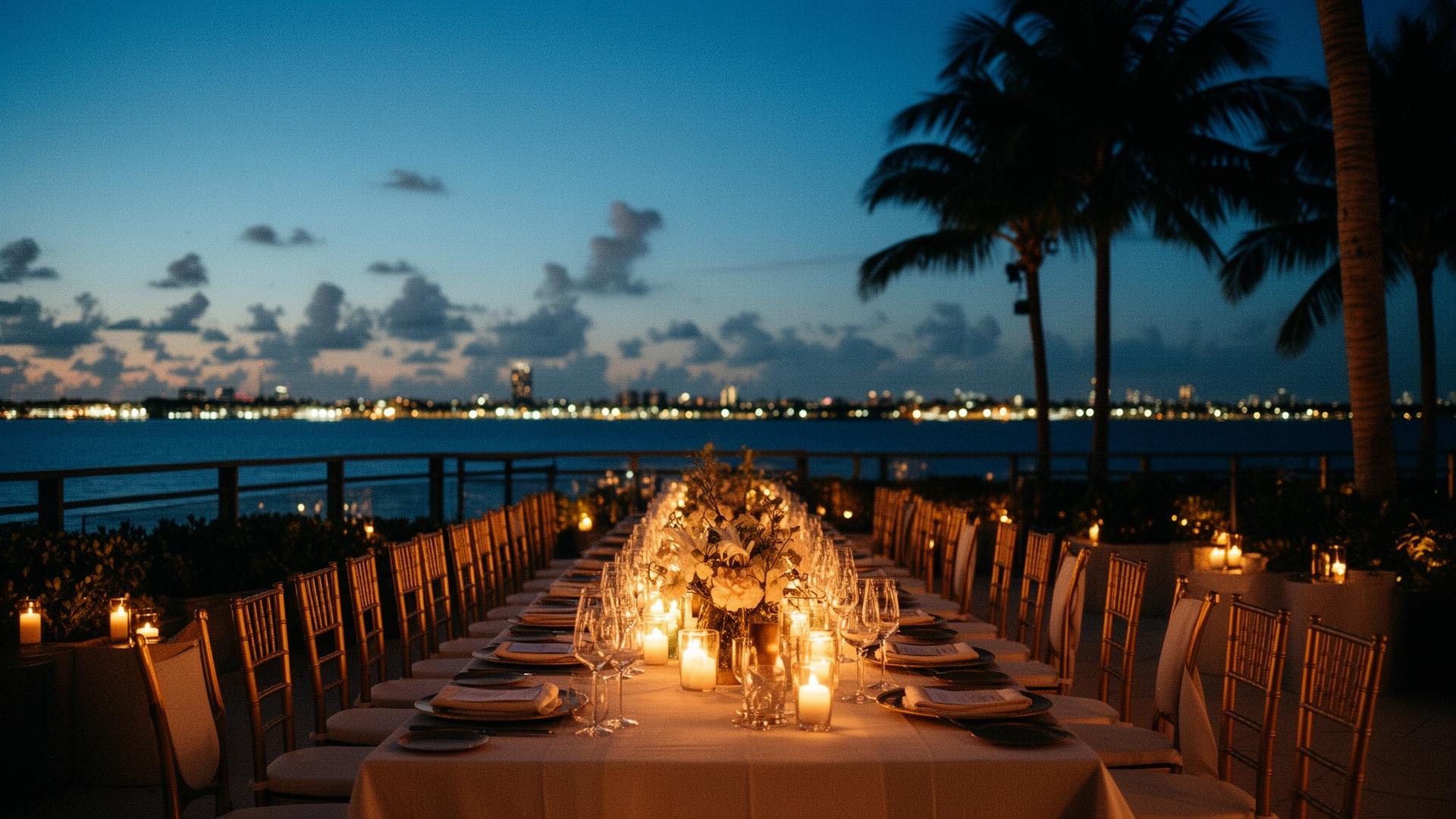
Sightlines, service access and load paths first. Backdrops, planters and surfaces placed to shape the room — not to fill the corners.
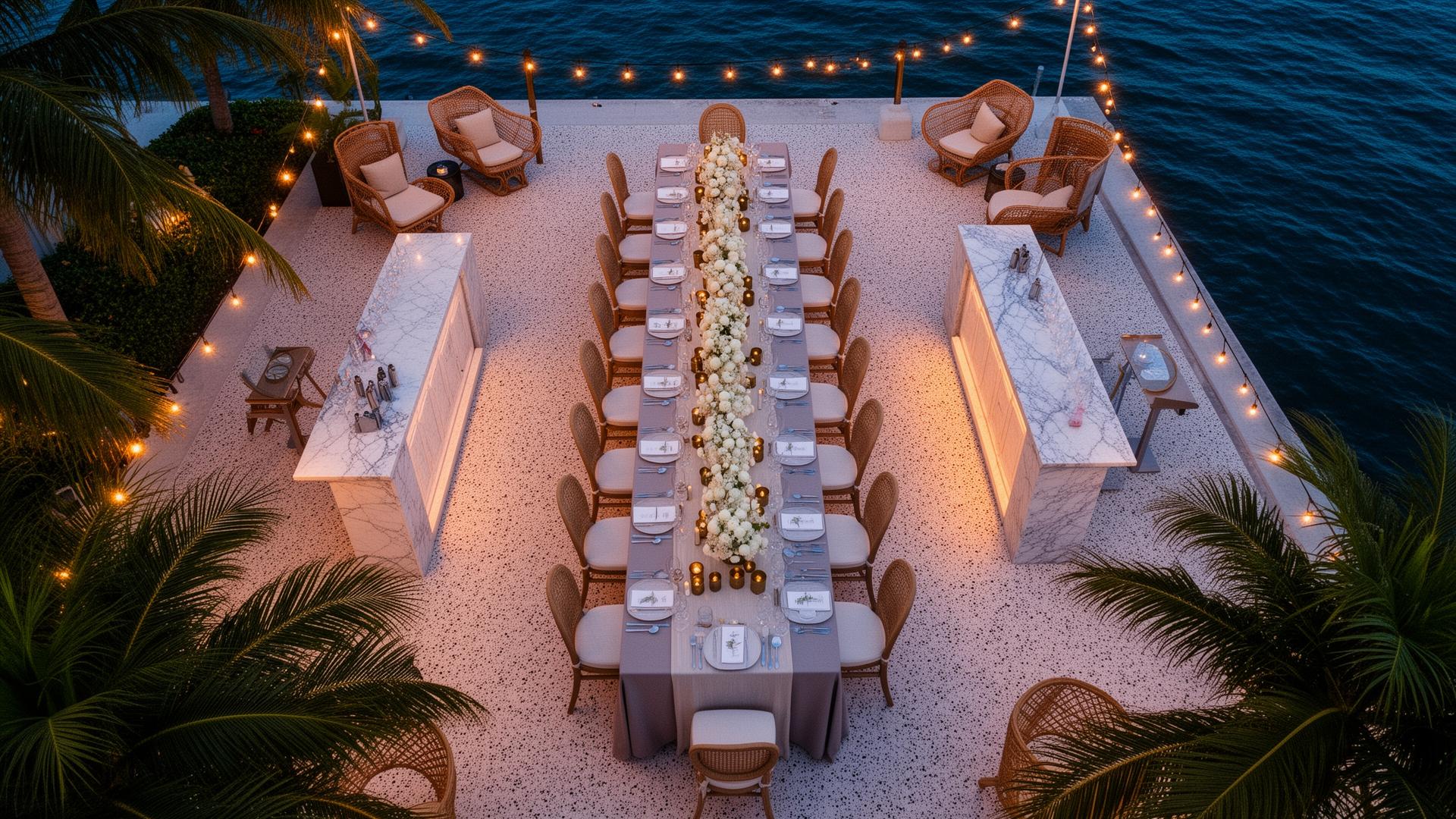
Dining, cocktail, welcome and tasting tables wrapped to match the room. Clean lines that photograph and function.
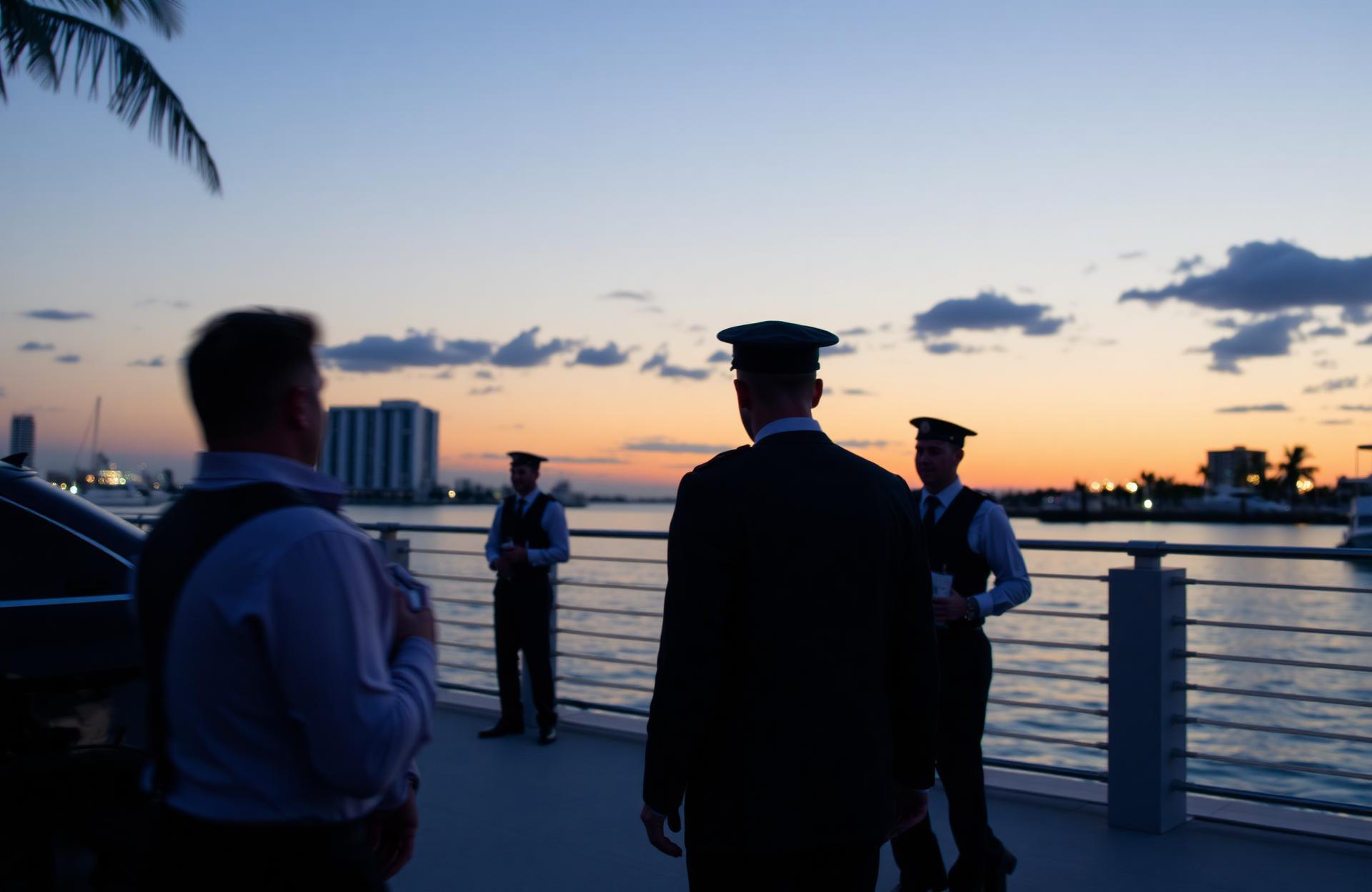
Refrigeration, hot holding, handwash and utility support planned with the venue — so service stays at temperature, not on hope.
Tell us about the room — the venue, the menu, the bar, the guest movement. We come back with a build list, a placement logic and a way to make the room work. Not a rental catalog.